The custard apple’s comeback: Unveiling the nutrient powerhouse hiding in plain sight
03/01/2026 / By Willow Tohi
- Cherimoya is a nutrient-dense tropical fruit rich in vitamin C, B vitamins, potassium and fiber.
- Its nutritional profile supports multiple health benefits, including immune function, heart health and digestion.
- The fruit contains antioxidants and anti-inflammatory compounds that may protect against chronic disease.
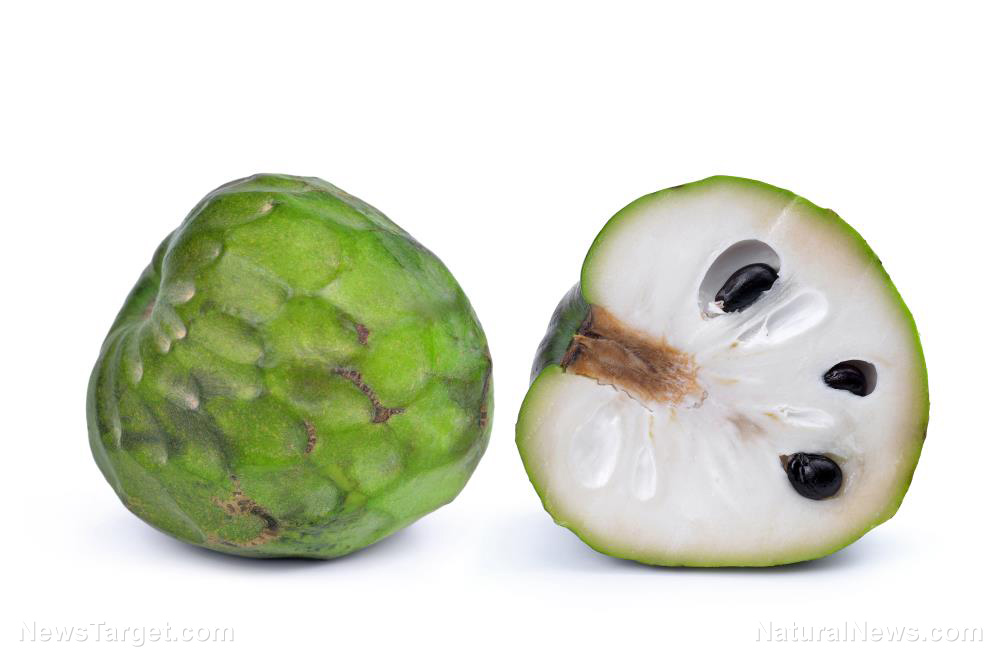
- Only the creamy flesh is edible; the skin and seeds contain a neurotoxin and must be discarded.
- Selecting a ripe fruit and incorporating it into a balanced diet allows for safe enjoyment of its unique flavor and benefits.
In an era where processed foods dominate, a resurgence of interest in whole, seasonal fruits is uncovering forgotten nutritional gems. Among them is the cherimoya, a prehistoric-looking fruit from the Andean valleys, once prized by Incan civilizations and hailed by Mark Twain as “the most delicious fruit known to men.” Today, nutritionists and natural health advocates are championing its return not just for its unique blend of tropical flavors—often described as a mix of pineapple, banana and vanilla—but for its dense concentration of vitamins, minerals and antioxidants that offer a compelling, natural alternative to synthetic supplements. This ancient fruit is proving to be a modern-day superfood, with science validating its traditional uses and revealing new potential health benefits.
A fruit steeped in history
The cherimoya’s story begins in the high-altitude regions of Ecuador and Peru, where it was cultivated for centuries. Ancient Andean cultures valued it as a luxury item, often trading it and featuring it in local folklore. Its journey from a regional staple to a global curiosity underscores a growing appreciation for biodiverse, traditional foods. In a contemporary context marked by concerns over chemical exposures from pesticides, environmental toxins and processed ingredients, the cherimoya represents a return to foundational, nutrient-rich nourishment. Its ability to ripen naturally at room temperature stands in stark contrast to the engineered shelf-life of processed alternatives, emphasizing the inherent value of seasonal, whole foods.
A nutritional powerhouse deconstructed
Beyond its custard-like texture and sweet flavor, the cherimoya offers a formidable array of essential nutrients. A single fruit provides a significant portion of the daily recommended intake for several key compounds. It is an excellent source of vitamin C, crucial for immune function and collagen synthesis, and vitamin B6, which supports brain health and energy metabolism. The mineral content is equally impressive, with high levels of potassium and magnesium, both vital for cardiovascular health, nerve function and blood pressure regulation. Furthermore, cherimoya is rich in dietary fiber, promoting digestive health and satiety. This nutritional matrix works synergistically, offering more than the sum of its parts.
Documented health benefits: From immunity to inflammation
The specific nutrients in cherimoya translate to a wide spectrum of potential health benefits. Its high vitamin C and antioxidant flavonoid content directly contribute to strengthening the immune system, helping the body fend off infections. The potassium and magnesium act as vasodilators, relaxing blood vessels to promote healthy blood pressure and support heart health. For ocular health, cherimoya contains lutein, a carotenoid antioxidant linked to a reduced risk of age-related macular degeneration. Emerging research also highlights its anti-inflammatory properties, attributed to compounds like kaurenoic acid and catechins, which may help mitigate chronic inflammation—a root cause of many diseases. Additionally, its fiber and B-vitamin content support digestive efficiency and stable mood, with studies noting a correlation between adequate B6 intake and a lower risk of depression.
The critical caveat: Enjoying cherimoya safely
Despite its benefits, a crucial safety warning accompanies the cherimoya. Like all fruits in the Annona family, it contains annonacin, a neurotoxic compound concentrated in its seeds and skin. Ingestion of these parts has been linked in studies to an increased risk of atypical Parkinson’s disease. Consequently, only the creamy white flesh is edible. The fruit must be carefully halved, its black seeds scooped out and discarded, and the skin must not be consumed. This important stipulation underscores a fundamental principle in natural health: even beneficial whole foods require knowledgeable preparation to harness their goodness safely.
Integrating an ancient superfood into a modern diet
The rediscovery of the cherimoya is more than a culinary trend; it is a case study in the enduring value of natural, whole-food nutrition. In a world grappling with the health impacts of environmental and chemical stressors, turning to time-tested, nutrient-dense foods offers a powerful strategy for resilience. By choosing fruits like the cherimoya, consumers invest in their health with every bite, gaining a suite of complementary nutrients that are often isolated in supplement form. Its story—from Incan treasure to a subject of nutritional science—reminds us that sometimes the best advancements in health come not from new inventions, but from a renewed understanding of nature’s original pharmacy.
Sources for this article include:
Submit a correction >>
Tagged Under:
ancient fruit, antioxidants, beat depression, cherimoya, custard apple, eye health, Fresh, fruits, Heart, immune system, mental, mood, nutrients, rediscovery, Whole Foods
This article may contain statements that reflect the opinion of the author
RECENT NEWS & ARTICLES