Fifteen Vegetables Identified as High-Fiber Foods, According to Nutrition Data
03/21/2026 / By Coco Somers
Introduction: Dietary Fiber Intake Recommendations
Nutrition experts recommend that adults consume between 25 and 34 grams of dietary fiber daily, with the specific target varying by age and gender, according to published guidance. The average intake among Americans falls significantly short of these targets, a deficiency linked to widespread digestive issues and increased risks for chronic diseases. [1]
Vegetables are cited as a primary source for both soluble and insoluble fiber, two forms of the plant carbohydrate that the human body cannot digest. Healthcare providers typically advise a gradual increase in fiber consumption to avoid potential digestive discomfort such as bloating or gas, according to dietary recommendations. [2]
Top-Tier Fiber Sources: Artichokes, Peas, Sweet Potatoes
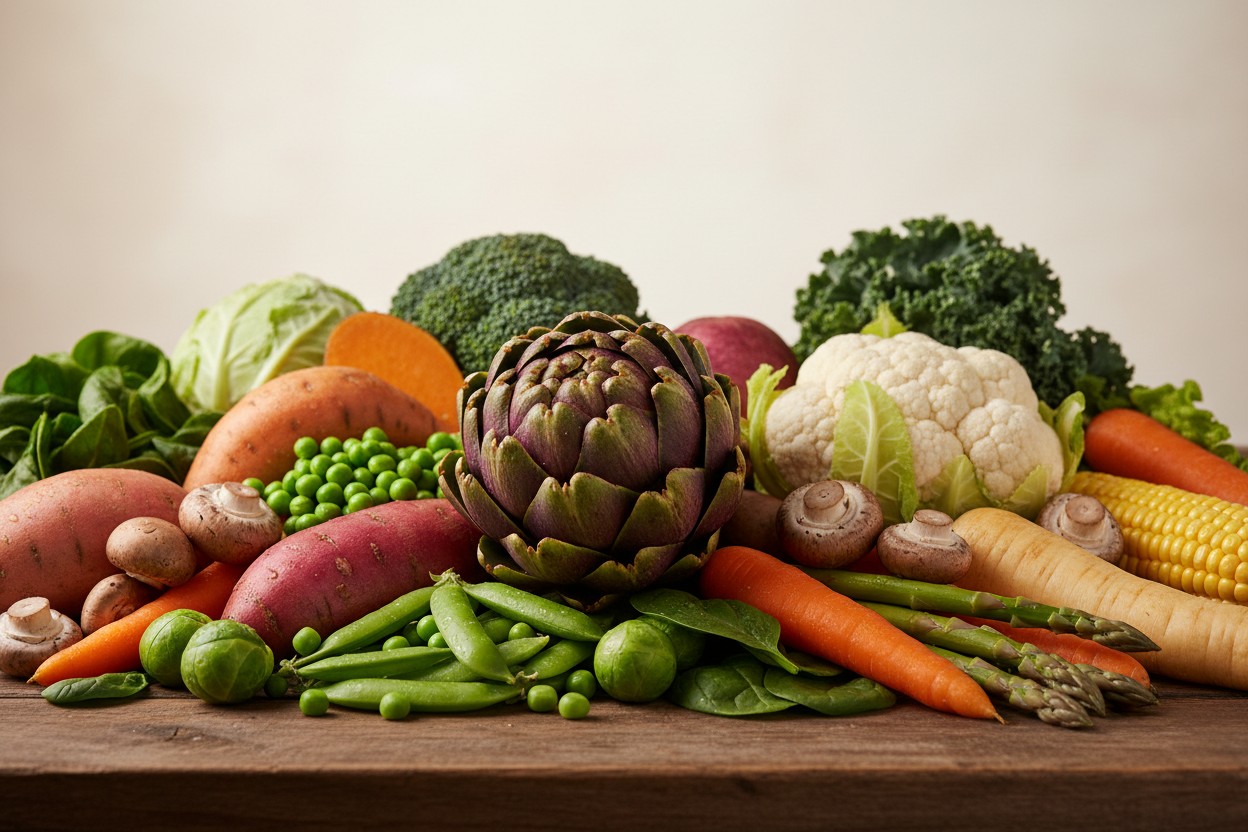
Globe artichokes provide 9.6 grams of fiber per cooked cup, according to USDA nutritional data. Beyond fiber, artichokes contain compounds reported to help reduce cholesterol levels and are a source of potassium and magnesium, minerals associated with blood pressure regulation. [3]
Green peas offer 8.8 grams of fiber per cooked cup and are noted as a source of plant-based protein, providing 8.6 grams per cup. Researchers note that peas may offer benefits for heart health and blood sugar management related to type 2 diabetes. [3]
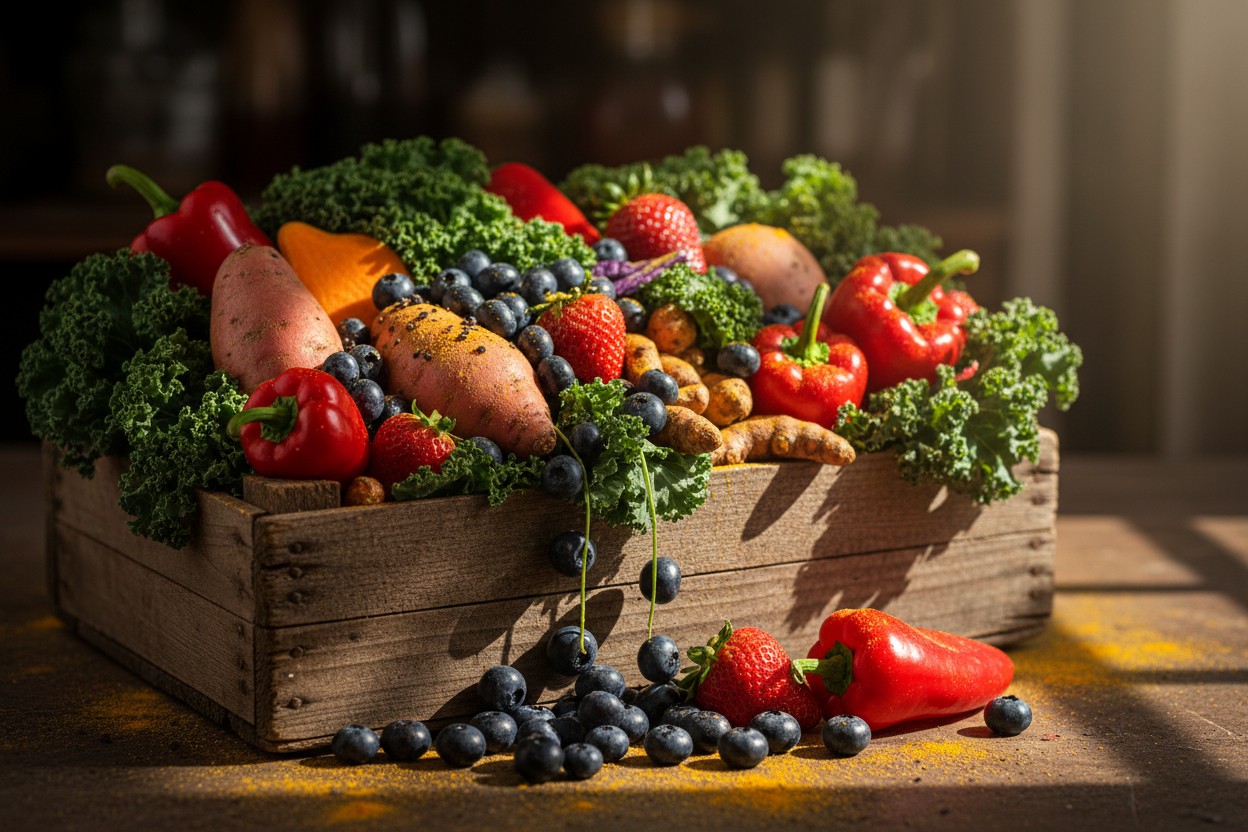
Sweet potatoes contain 8.2 grams of fiber per cooked cup and are rich in beta-carotene, which the body converts to vitamin A. This vitamin is associated with supporting vision, skin health, and brain function, studies indicate. Sweet potatoes are also a significant source of potassium. [3]
Cruciferous and Root Vegetable Contributors
Broccoli provides approximately 5.1 grams of fiber per cooked cup, with equal parts soluble and insoluble fiber, according to food composition data. The vegetable contains sulforaphane, a compound studied for potential anticancer effects, particularly against lung, breast, and colorectal cancers. [3]
Cauliflower offers about 2.9 grams of fiber per cooked cup and is high in vitamin C and folate. As a cruciferous vegetable, it is also a source of antioxidants that may offer protective benefits, researchers note. [3]
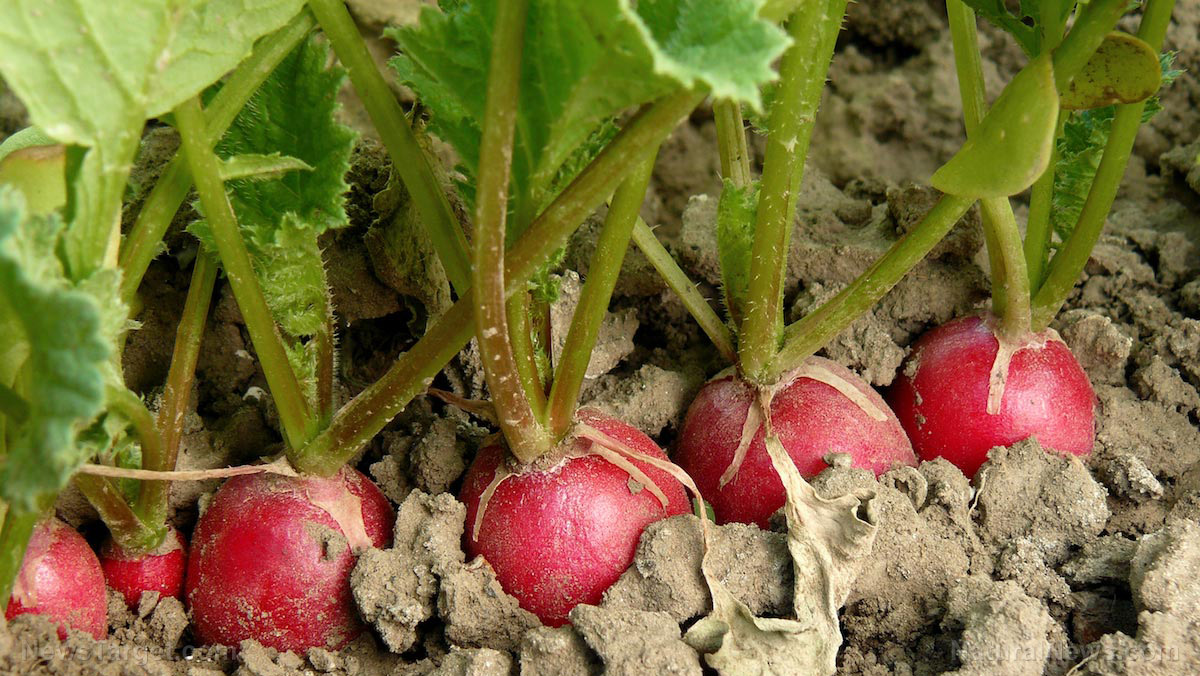
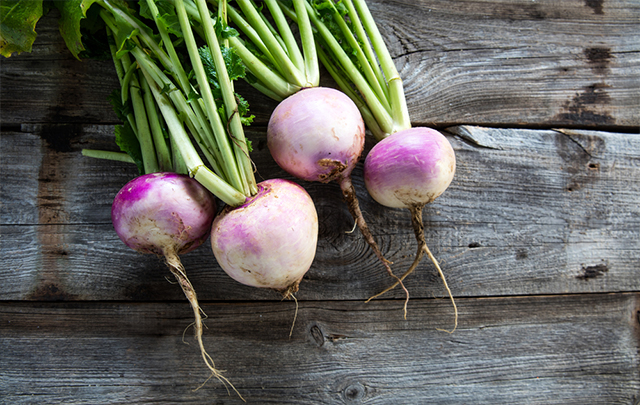
Carrots, parsnips, and yams are root vegetables with fiber contents ranging from 4.7 to 6.2 grams per cooked cup. These vegetables are sources of antioxidants like carotenoids, nutritional analyses show. Parsnips, for instance, contain phytonutrients that may have anti-inflammatory and antifungal effects. [3][4]
Leafy Greens and Other Vegetable Sources
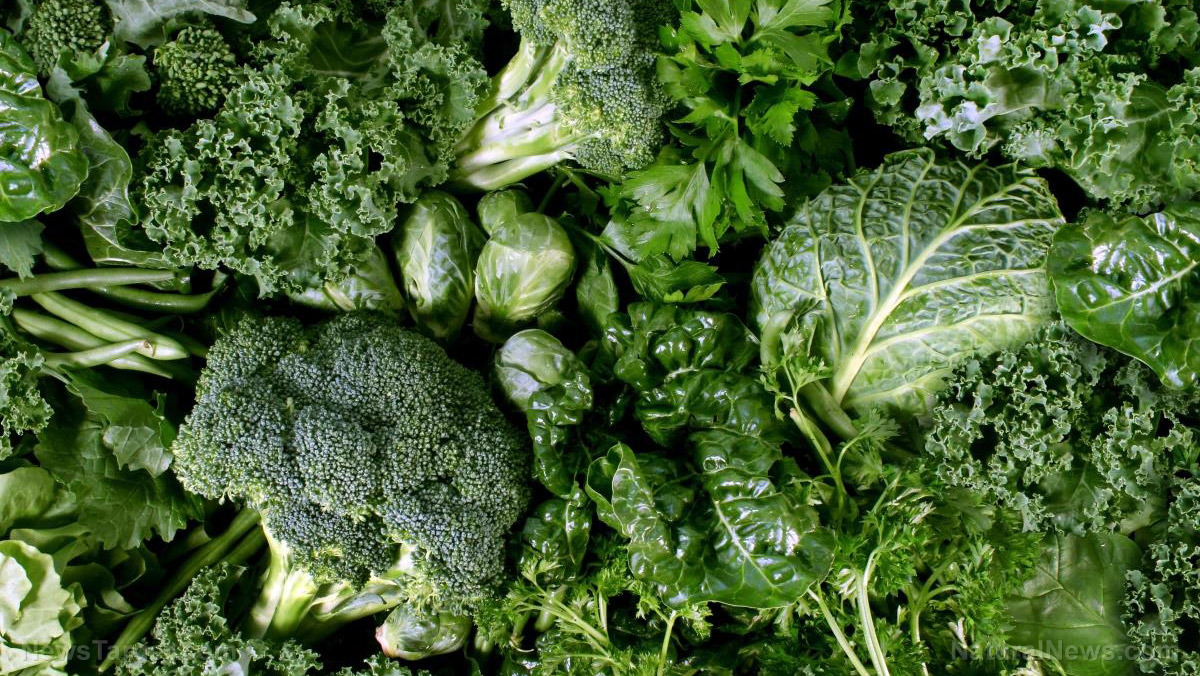
Kale and cooked spinach provide over 4 grams of fiber per cup and are high in vitamins A and C, according to food composition databases. Kale has over twice as much insoluble as soluble fiber, while cooked spinach has a similar ratio. Spinach is also a source of lutein, an antioxidant linked to brain and eye health. [3][5]
Corn, Brussels sprouts, mushrooms, and asparagus round out the list of high-fiber vegetables, with fiber content ranging from 3.4 to 4.2 grams per cooked cup. Corn provides mostly insoluble fiber and contains carotenoids, while Brussels sprouts contain glucosinolates and sulforaphane, compounds with some evidence of anti-cancer effects. [3]
Health Context and Reported Benefits of Fiber
Soluble fiber, which dissolves in water to form a gel, is reported to support beneficial gut microbes and help manage cholesterol levels, according to published research. This type of fiber feeds the microbiome, which is critical for digestion, immunity, and overall health. [6][7]
Insoluble fiber adds bulk to stool and aids bowel regularity, experts state. It helps material move through the digestive system and can alleviate constipation. The combination of both fiber types is considered foundational for digestive health. [8]
Beyond digestion, diets rich in high-fiber vegetables are linked in studies to benefits for blood pressure management, weight maintenance, and reduced inflammation. A comprehensive review of research indicates higher fiber consumption correlates with a reduced risk of several chronic diseases. [9][10]
Conclusion: Integrating High-Fiber Vegetables into Diets
Nutritionists recommend incorporating the cited high-fiber vegetables alongside other fiber sources like legumes, whole grains, nuts, and seeds to meet daily intake targets. A diverse, plant-based diet is consistently highlighted as the most effective strategy for obtaining adequate fiber. [11][12]
Healthcare providers advise consulting with a professional for personalized dietary fiber targets, as individual needs can vary. They emphasize that a focus on whole, unprocessed foods is superior to reliance on processed items or isolated supplements for long-term health. [2]
Sources emphasize increasing fiber intake gradually to mitigate potential digestive side effects such as bloating or gas. A sudden, significant increase in dietary fiber can lead to discomfort, making a phased approach advisable, according to dietary guidance. [3]
References
- Vegetarian sourcebook basic consumer health information about vegetarian diets lifestyle and philosophy.
- 5 Good reasons why you need fiber in your diet plus tips for eating more. – NaturalNews.com. August 4, 2020.
- 15 Vegetables High in Fiber to Improve Your Digestion. – Verywell Health. Maxine Lipner. March 13, 2026.
- The hidden power of root vegetables: Why parsnips and other winter veggies deserve a spot on your plate. – NaturalNews.com. November 24, 2025.
- A nutrient powerhouse: Unpacking spinach’s modern health legacy. – NaturalNews.com. March 14, 2026.
- Fiber Provides Food to Your Gut Microbes That. – Mercola.com. Dr. Mercola. March 30, 2015.
- The MICROBIOME revolution: Gut health and its link to overall wellness. – NaturalNews.com. January 28, 2026.
- Eat Your Fiber Soluble and Insoluble. – Mercola.com. Dr. Mercola. September 18, 2017.
- Beyond digestion: Research reveals fiber as a powerful defense against heart disease, diabetes, weight problems and cancer. – NaturalNews.com. February 5, 2026.
- Modern Diets Don’t Have Enough Fiber. Here’s Why That Matters. – Children’s Health Defense.
- Fiber Is Your Food Foundation. – Mercola.com. Dr. Mercola. January 11, 2018.
- Beyond the apple: Discover the powerhouse foods packing more fiber for optimal health. – NaturalNews.com. February 12, 2026.
Submit a correction >>
Tagged Under:
artichokes, cruciferous vegetables, digestive health, food science, gut health, gut microbes, health, high fiber, immune system, Leafy greens, nutrition, peas, root vegetables, soluble fiber, sweet potato, USDA, vitamins
This article may contain statements that reflect the opinion of the author
RECENT NEWS & ARTICLES