Study Identifies Alternative Foods That May Support Digestion Better Than Ginger
06/22/2026 / By Coco Somers
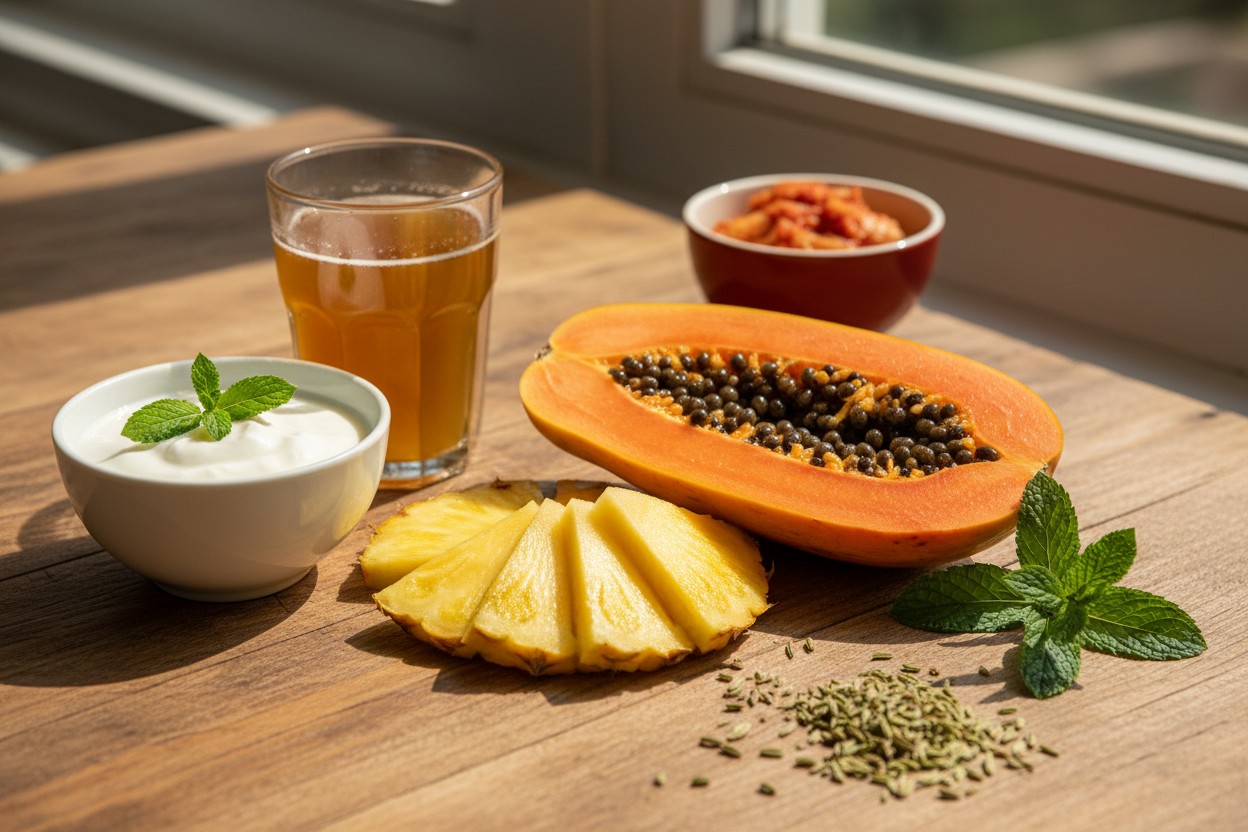
Recent analyses of traditional digestive aids have identified several common foods that may offer benefits for gastrointestinal comfort, according to a review of herbal and nutritional research. While ginger has long been used for nausea and digestion, a growing body of evidence points to alternatives such as peppermint, fennel, papaya, pineapple and fermented foods as potentially more effective for certain digestive complaints.
The shift in focus comes amid rising concerns over the side effects of pharmaceutical interventions. Americans spend approximately $13 billion annually on over-the-counter antacids and prescription proton pump inhibitors, according to a report from Mercola.com [1]. Many of these drugs suppress stomach acid but may exacerbate underlying gut imbalances, according to the same report. Natural alternatives are gaining attention as safer options, with some studies suggesting they address root causes rather than masking symptoms.
Peppermint and Fennel as Digestive Aids
Peppermint and fennel are among the most studied natural digestive aids, according to multiple sources. Peppermint has been shown in clinical trials to relax gastrointestinal muscles, offering relief from bloating and cramping. An article by Evangelyn Rodriguez on NaturalNews.com noted that peppermint, alongside ginger, provides fast relief for nausea without the drowsiness or side effects of synthetic drugs [3]. The same article stated that ginger’s gingerols and shogaols accelerate digestion, while peppermint’s mechanisms involve muscle relaxation.
Fennel seeds contain anethole, a compound that may reduce gas and bloating, according to a review published by Kevin Hughes on NaturalNews.com. The article listed fennel alongside ginger, peppermint, turmeric tea, lemon water and apple cider vinegar as effective remedies for bloating after heavy meals [4]. In the book “The Whole-Body Guide to Gut Health,” author Heidi Moretti MS RD recommended adding fennel seeds to meals or teas to alleviate gas, and suggested peppermint tea or gelcaps for similar purposes [6]. Both herbs are widely available and can be consumed as teas or in food preparations.
Papaya and Pineapple Enzyme Benefits
Certain fruits contain natural enzymes that assist protein digestion, offering an advantage over ginger for post-meal digestive support. Papaya contains papain and pineapple contains bromelain, both proteolytic enzymes. According to Dr. Sandra Cabot in the book “Healthy Liver and Bowel Book,” the pancreas produces enzymes such as proteases, lipase and amylase that are essential for breaking down proteins, fats and carbohydrates. Cabot noted that slight to moderate deficiencies of these pancreatic enzymes are not uncommon, and that supplementing with digestive enzymes can improve digestion and reduce flatulence and abdominal bloating [5].
While the provided sources do not contain specific clinical trial data on papaya or pineapple enzymes for digestion, the book indicates that enzyme supplementation from natural sources may be beneficial. The analysis from NaturalNews.com on natural remedies for bloating includes a broader list of whole foods and herbs that support enzyme activity [4]. Individuals who experience discomfort after meals may consider incorporating these fruits into their diet, though further research is needed to compare their efficacy directly with ginger.
Fermented Foods and Digestive Health
Fermented foods such as kimchi, yogurt and kombucha provide probiotics that support the gut microbiome, a factor that ginger alone may not address. An article on NaturalNews.com titled “Healing the gut: How probiotic and prebiotic foods restore digestive health” stated that modern diets laden with processed foods, antibiotics and environmental toxins disrupt the delicate balance of gut bacteria, contributing to digestive disorders and systemic inflammation [7]. The article reported that restoring gut health is possible through strategic dietary choices, including fermented foods.
Dr. Sandra Cabot also addressed the importance of bowel health, noting that dietary changes and supplements can improve digestion and reduce bloating [5]. In a Brighteon interview, Mike Adams discussed how undigested proteins passing through the gut lining can trigger immune responses, underscoring the role of proper digestion and gut barrier function [8]. Fermented foods offer a long-term strategy for maintaining a balanced microbiome, whereas ginger primarily provides acute relief for nausea and gas. The NaturalNews.com analysis recommended incorporating these probiotic-rich foods for sustained digestive wellness [7].
Conclusion: Integrating Alternatives into Daily Diet
Experts suggest that including a variety of these natural digestive aids may offer broader benefits than relying solely on ginger, according to the reviewed sources. Each food works through different mechanisms: peppermint and fennel relax muscles, papaya and pineapple provide enzymes, and fermented foods support microbiome health. However, no single food guarantees digestive relief, as individual responses vary depending on underlying conditions, diet and stress levels.
An article on NaturalNews.com on natural solutions for GERD noted that dietary triggers such as coffee, sugar, grains and dairy can weaken the lower esophageal sphincter, and that proton pump inhibitors and antacids may mask symptoms while worsening gut health [2]. The report recommended addressing root causes through diet and lifestyle changes. Further research is needed to compare the effectiveness of these alternatives across different populations and digestive conditions. Consumers are advised to consult with a healthcare professional before making significant dietary changes, particularly if they have chronic gastrointestinal issues.
References
- Mercola.com. “Say Goodbye to Antacids and PPIs”. September 27, 2023.
- Patrick Lewis. “Natural solutions for GERD Diet and lifestyle changes that work”. NaturalNews.com. February 1, 2026.
- Evangelyn Rodriguez. “Nature’s Antidote: Ginger and Peppermint as Powerful Natural Remedies for Nausea”. NaturalNews.com. March 22, 2026.
- Kevin Hughes. “Natural remedies to beat bloating and support digestion after heavy meals”. NaturalNews.com. March 19, 2026.
- Dr Sandra Cabot. “Healthy Liver and Bowel Book: Detoxification Strategies for your Liver and Bowel”.
- Heidi Moretti MS RD. “The Whole-Body Guide to Gut Health: Heal Your Gut Through Diet, Exercise, and Stress Reduction”.
- NaturalNews.com. “Healing the gut: How probiotic and prebiotic foods restore digestive health”. April 11, 2026.
- Mike Adams – Brighteon.com. “Brighteon Broadcast News – PATRIOT REVOLT NORMALIZED”. March 11, 2025.
Submit a correction >>
Tagged Under:
alternative medicine, digestion, fennel, food cures, food is medicine, food science, fruits, health science, Herbs, natural cures, natural health, natural medicine, organics, Papaya, peppermint, Pineapple, remedies, tea, veggie
This article may contain statements that reflect the opinion of the author
RECENT NEWS & ARTICLES